

Liquid Temperature Control Trends in Photonics
Authored by: Dr. Dirk Frese, VP of Sales, Marketing & Service
Photonics is the science of using tiny, super-fast particles of light, called photons, to do everyday jobs. It lets us catch, bend, and use beams of light to help things like smartphones, sensors, medical devices, and the internet work at lightning speed!
The field of photonics is advancing rapidly. From laser systems and integrated optical platforms to semiconductor-linked devices and advanced materials, these technologies all depend on precision.
As photonics applications become more sophisticated, stable temperature control is becoming a core part of the workflow. Whether the goal is protecting sensitive components, controlling test conditions, or maintaining process consistency, precise and predictable temperatures help determine whether a system performs as expected.
Five Photonics Trends Driving Innovation
- Integrated photonics and compact optical systems
- High-power laser processing and microfabrication
- Advanced optics and precision materials development
- Semiconductor-photonics convergence
- R&D and test environments requiring tighter thermal control
- Integrated Photonics: How Do You Keep Performance Stable as Systems Shrink?
Integrated photonics is changing how optical systems are designed. Instead of relying on larger standalone components, manufacturers are combining multiple optical functions into compact platforms.
That shift offers major benefits in size, speed, and efficiency. It also makes temperature stability more important than ever, because even small changes can affect wavelength, phase, alignment, and signal quality.
Temperature Must Stay Predictable and Uniform
If a system drifts too much, performance can shift with it. That variation can show up as signal instability, reduced accuracy, poor repeatability, or inconsistent measurement results during testing and production.
For these applications, JULABO precision circulators provide the stable, controlled fluid temperatures needed to support optical benches, component testing, and development workflows. For labs and R&D environments that want a compact and efficient option, the CORIO C series is a practical option for routine photonics applications, while the DYNEO DD series is well suited when users need a more advanced circulating thermostat with expanded performance capability.
When sustainability and future-ready equipment are is the priority, JULABO’s newer circulator platforms with natural refrigerants are especially attractive. They combine precise ontrol with a lower-GWP (global warming potential) refrigeration approach.
- High-Power Lasers: Why Does Cooling Matter So Much?
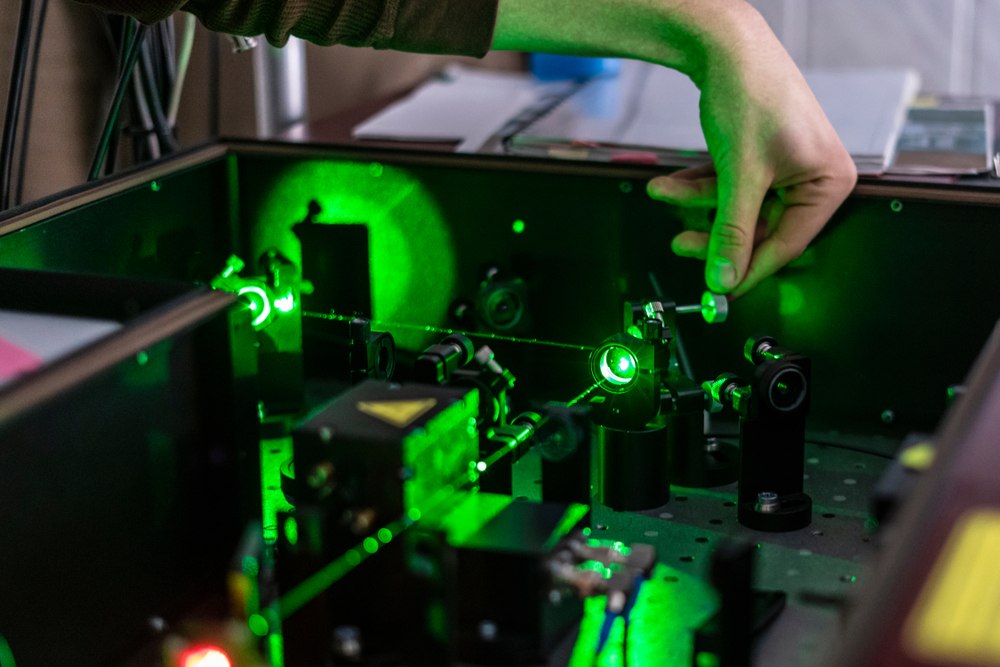
Laser systems are being used in more applications than ever, from industrial processing to scientific research. As laser power increases, so does the need to remove heat efficiently and keep operating conditions stable.
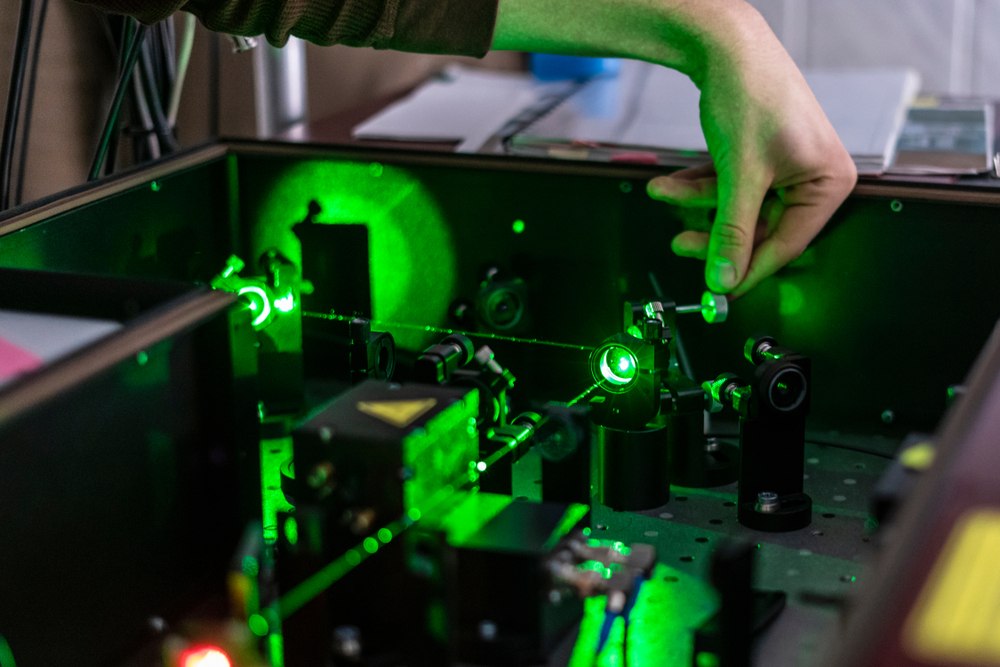
Photo Credit: Shutterstock
Temperature directly affects laser performance, beam quality, and component longevity. If cooling is not controlled properly, heat buildup can lead to drift, reduced accuracy, aging and unnecessary wear on sensitive parts.
Cooling Requires Fast, Reliable, and Consistent Control
Laser sources, optics, detectors, and surrounding components all need stable thermal conditions to maintain precision. In demanding applications, even a small fluctuation can mean the difference between clean process results and unacceptable variation.
For this reason, JULABO recirculating chillers are often ideal for photonics environments where the load is continuous, heat input is significant, and uptime matters. The FL Chiller series is a strong choice for many standard cooling applications, while higher-demand installations may benefit from the MAGIO MX series for more advanced performance and broader configuration flexibility.
For customers looking to make a sustainability-minded equipment choice, a newer JULABO chiller or circulator with natural refrigerants can offer a compelling combination of dependable cooling performance and a more environmentally responsible design.
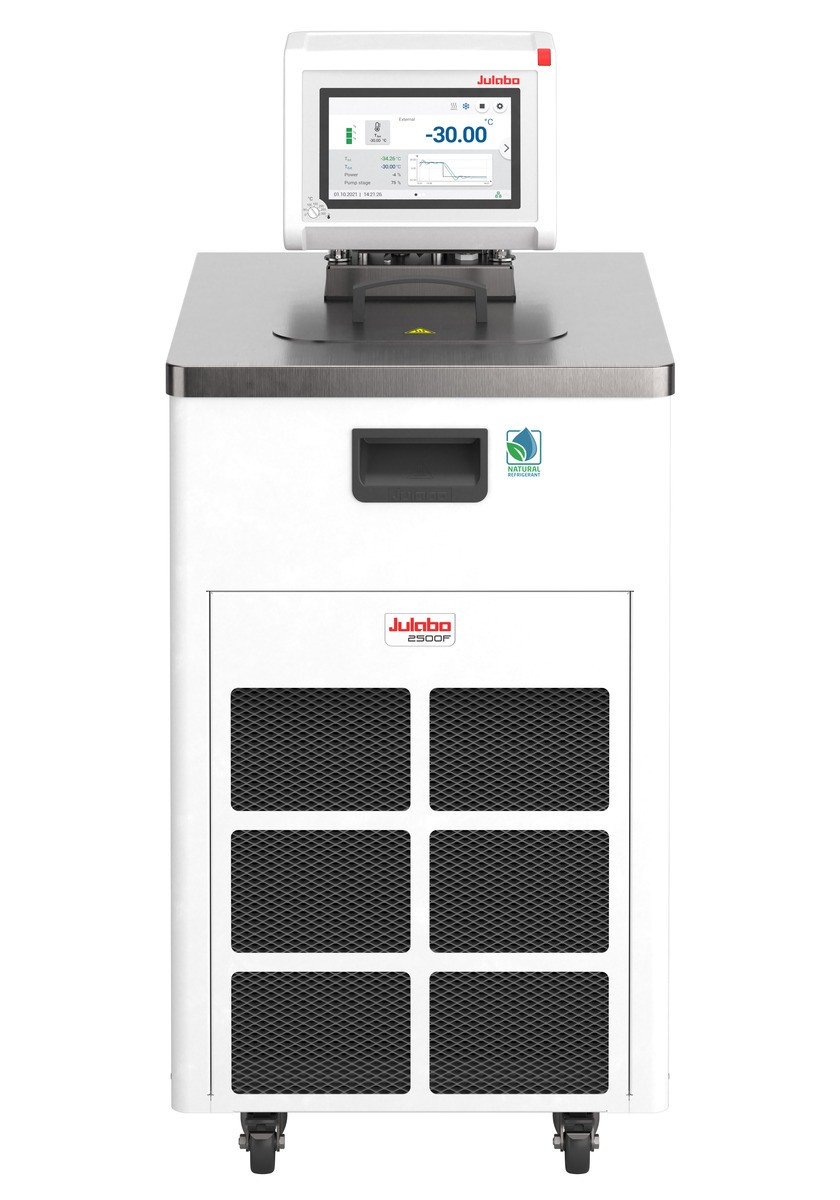
MAGIO MX-2500F
- Advanced Optics: How Do You Test Materials That React to Heat?
Photonics depends on materials that are highly engineered and often very sensitive to temperature. Coatings, lenses, filters, fiber-optic components, and optical assemblies all need to be evaluated under controlled conditions to verify performance.
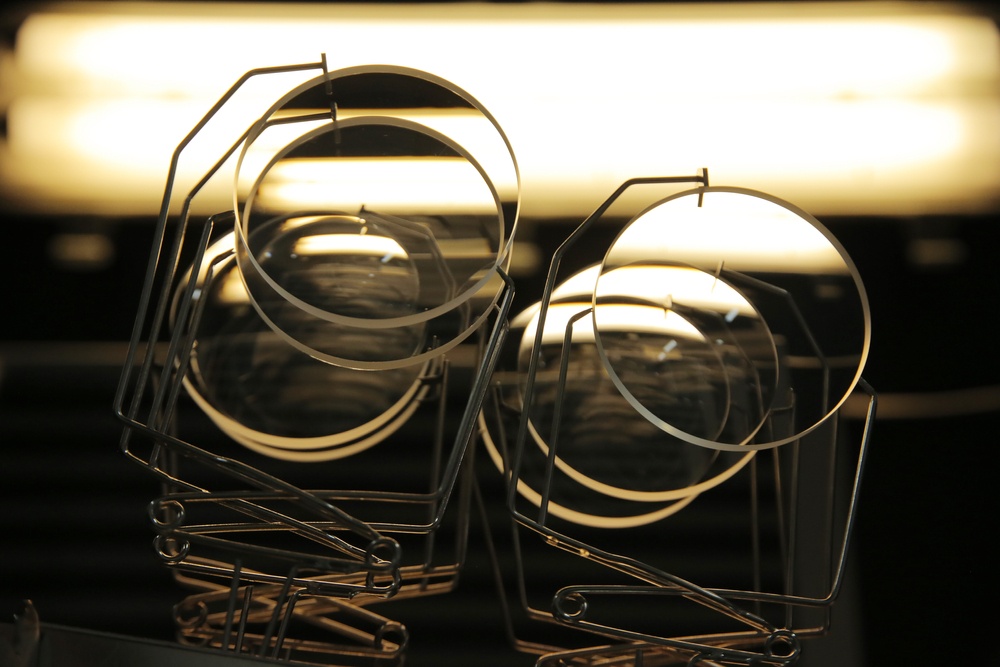
Photo Credit: Shutterstock
That makes temperature control critical in materials development and quality assurance. Whether a team is testing thermal stability, environmental resistance, or optical consistency, controlled conditions help produce more reliable data.
The Temperature Challenge
Expansion, contraction, refractive index shifts, and coating performance can all change with temperature. If testing conditions vary from one run to the next, the data becomes harder to trust and compare.
This is where a precision JULABO circulator adds value. For applications that require tight control around ambient or below-ambient conditions, the CORIO CD series is a practical recommendation for everyday lab use, while the DYNEO DD series offers a stronger option when users need greater thermal performance and control sophistication.
For more advanced materials work, especially where low-temperature stability is important, a JULABO unit with natural refrigerants can be a smart fit for laboratories looking to align thermal precision with sustainability goals.
- Semiconductor-Photonics Convergence: Why Is Thermal Management So Important?
Photonics and electronics are increasingly being designed together. This convergence is especially visible in data communication, sensing, imaging, and advanced semiconductor applications.
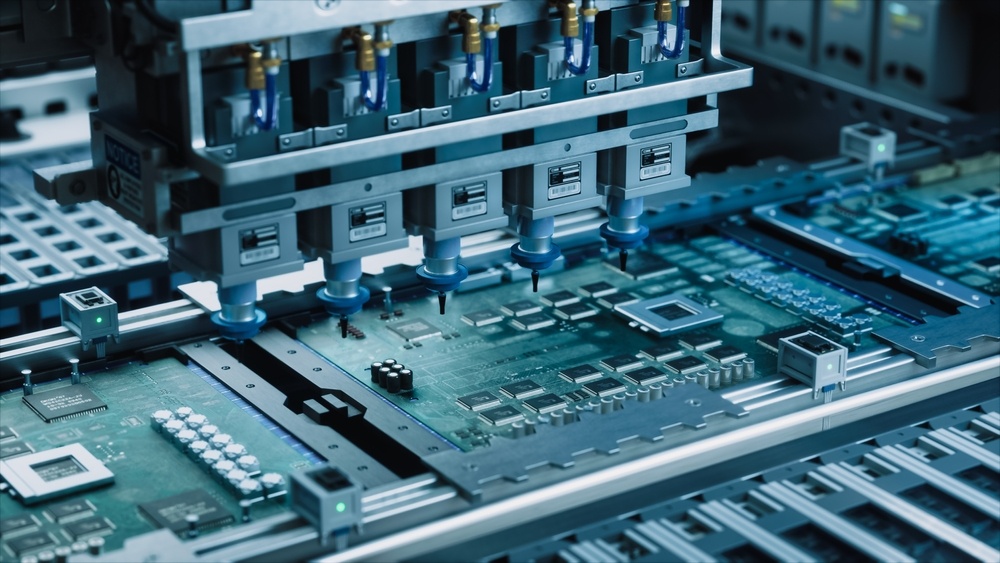
Photo Credit: Shutterstock
These hybrid systems often generate significant heat and demand tight temperature windows to perform properly. Managing that heat is essential for calibration, validation, and long-term reliability.
Thermal Control is Not Just About Preventing Overheating
It also supports repeatable testing, accurate measurement, and stable operation across sensitive components. In semiconductor-related photonics work, consistency matters as much as raw cooling capacity.
For these use cases, JULABO temperature control systems help maintain the controlled test environment required for device evaluation and process development. The MAGIO MS series is well suited for users who need a high-performing circulator for more demanding lab and industrial environments, while newer JULABO platforms with natural refrigerants are especially relevant for organizations that want to modernize their equipment without compromising on precision.
- R&D and Test Environments: What Keeps Photonics Development Moving Forward?
Research and development remain central to photonics innovation. Whether teams are building prototypes, validating new designs, or running long-duration tests, they need dependable thermal control to get meaningful results.
That need is especially important in environments where optical, electronic, and mechanical variables all interact. If temperature is not controlled well, it becomes harder to isolate the real source of a problem or verify that a solution will scale.
Where Temperature Makes or Breaks the Result
From benchtop testing to more advanced laboratory workflows, temperature control helps researchers maintain repeatability and confidence in their results. That makes it a foundational part of photonics development.
For this reason, JULABO circulators should be considered a first-line recommendation for photonics labs, especially where flexibility, accuracy, and reliability all matter. The CORIO series is well suited for routine laboratory applications, the DYNEO series is an excellent step up for more demanding work, and the MAGIO series is ideal when users need high performance and advanced control capability.
For forward-looking laboratories, newer JULABO models with natural refrigerants stand out as a smart investment because they support precise temperature control while also aligning with sustainability and future compliance goals.
JULABO Recommendations for Photonics
For photonics applications, the best JULABO recommendation depends on the load, temperature range, and whether the system is being used for heating, cooling, or both.
- CORIO C and CORIO CD circulators are ideal for routine photonics testing, compact lab setups, and applications that need dependable day-to-day temperature control.
- DYNEO DD circulators are well suited for users who need more performance, more flexibility, and a stronger feature set for demanding R&D work.
- MAGIO MS and MAGIO MX circulators and chillers are strong choices for advanced photonics environments where precision, cooling capacity, and long-term reliability are critical.
- FL series chillers are a practical recommendation for standard cooling applications.
- Newer JULABO models with natural refrigerants are especially compelling for organizations that want advanced temperature control with a more sustainable refrigeration platform.
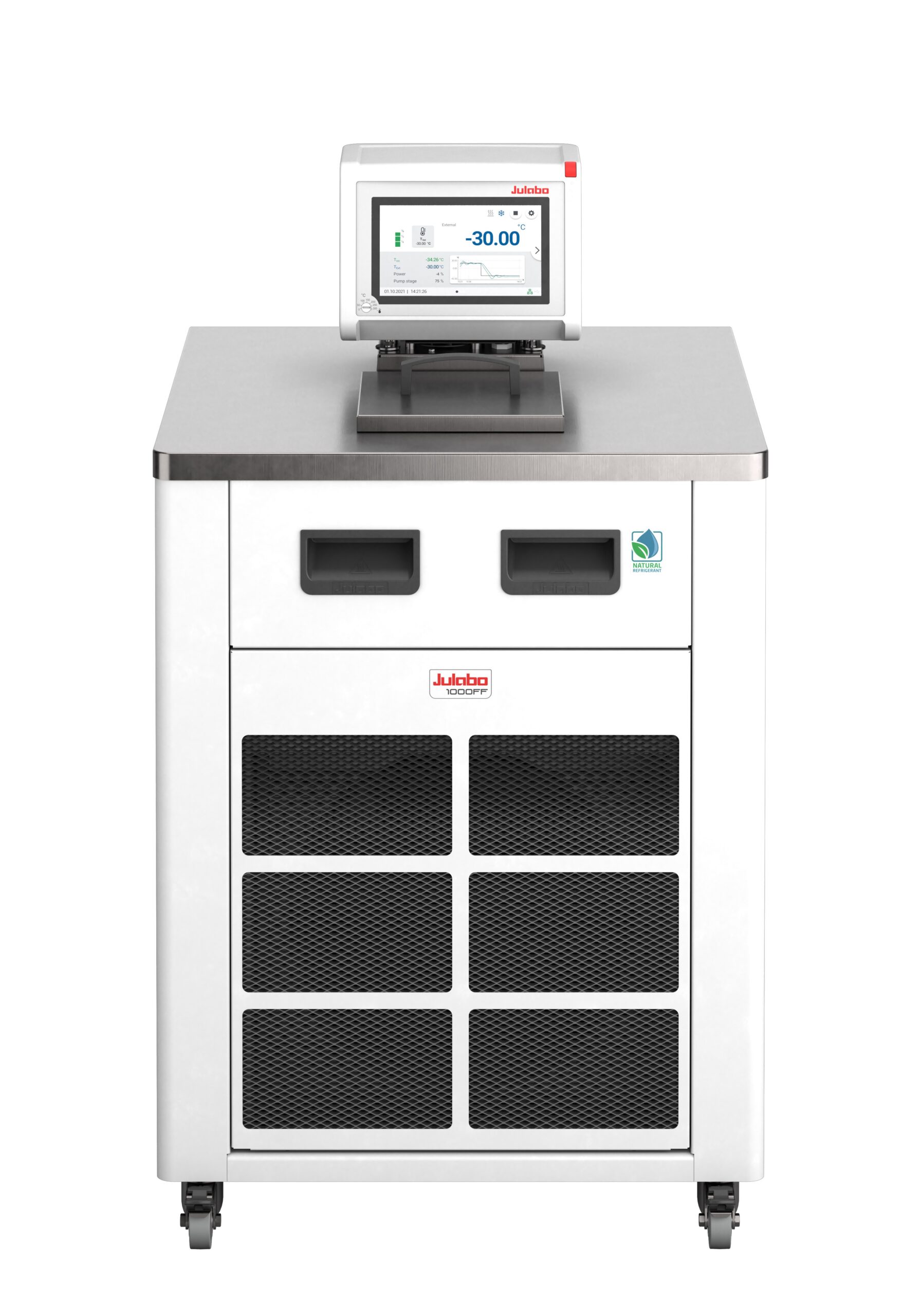
Photo Credit: MAGIO MS-1000FF
Frequently Asked Questions
Why is temperature control important in photonics?
Photonics systems depend on precision. Even small temperature changes can affect wavelength, phase, alignment, signal quality, testing accuracy, and repeatability.
How does temperature affect integrated photonics?
As optical systems become smaller and more integrated, temperature changes can have a greater impact on performance. Stable temperature control helps reduce drift and supports more consistent test and production results.
Why do high-power lasers need reliable cooling?
High-power lasers generate heat that can affect beam quality, accuracy, and component life. Reliable cooling helps remove heat, reduce drift, and support consistent laser performance.
What JULABO products are used for photonics applications?
JULABO CORIO, DYNEO, MAGIO, and FL series products can support different photonics workflows depending on the required temperature range, cooling capacity, load, and level of control.
When should a photonics lab consider natural-refrigerant temperature control equipment?
Natural-refrigerant models are a good fit for labs and manufacturers that need precise temperature control while also working toward sustainability goals and future-ready equipment choices.
Conclusion
Photonics is a field built on precision, and temperature control is part of that foundation. As systems become smaller, faster, and more powerful, reliable thermal management will remain essential for development, manufacturing, and testing.
JULABO circulators and chillers support photonics applications with the stability, accuracy, and consistency needed to move advanced technologies forward. For labs and manufacturers looking to pair high-performance temperature control with a more sustainable future, JULABO’s newer natural-refrigerant solutions offer an especially compelling path ahead.